
Biography
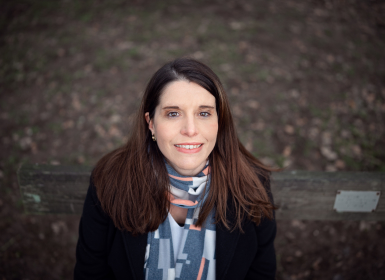
Eva Moreda is Professor of Musicology at the University of Glasgow. She has published books on music in Francoist Spain, the phonograph, and singing zarzuela. She has nine fiction titles to date. Home is like a different time, which deals with Galicia’s centuries-old history of emigration, was published by Francis Boutle Publishers in Craig Patterson’s translation and received an English PEN Award. Girls of the Polar Convent School deals with life in a convent school in time of war. As a result of her experiences in the UK, she has published an essay titled Pagans and Pragmatists: Life in the United Kingdom. When not being a musicologist or a journalist, she has even had time to translate Lysistrata by Aristophanes into Galician. She writes fiction in English under the pseudonym Eva Ferry.
Synopsis
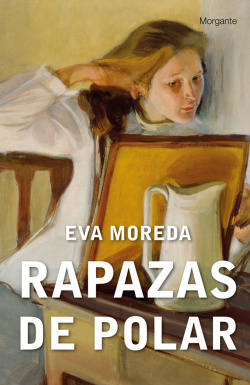
Girls of the Polar Convent School (108 pages) is Eva Moreda’s eighth fiction title written in Galician and was published by Morgante in 2021. It deals with life in a convent school during and after the Spanish Civil War and is narrated from the point of view of the schoolgirls. The book is divided into four chapters. In the first chapter, “Stitches”, Sr Elvira returns to the convent after an absence of two years. She previously taught sewing, but left to marry the editor of a newspaper.
Sample
Would you believe that we hardly noticed the war in all the years it lasted? It was being fought, but far away from us. All that changed at Polar was that packs of animals would occasionally appear in the surroundings: coatis, lemmings, minks, that sort of thing. We could almost always see them when we stood on tiptoe at the dormitory window and looked down, a dark splotch stretching and contracting at the foot of the mountain, near Agromos. They never climbed up, which was a good thing. They picked at the blueberries and blackberries, unenthused, and then went away. We couldn’t say for sure, but we didn’t think they came around as much before the war started; we think they only appeared after.
They were usually rodents, which we knew because we were studying them in the natural history class with Sister Mariacamilla. She saw them too, from the window of the Community Room, we supposed. The other nuns, no. They never spoke about them and got irritated if we asked. But Sister Mariacamilla would sigh, ‘Oh, the creatures, the creatures! What in the world could possibly be as fascinating.’ Her face would fill with curiosity, and her curiosity delighted her. Sister Mariacamilla must have been the only nun at Polar like that. (We attended Sister Mariacamilla’s class a bit more eagerly than the others, because we thought it might have some purpose in the outside world. Sister Mariacamilla hadn’t studied natural history in a secular school, or anything else for that matter. None of the nuns had. She taught natural history the same as she could have taught anything, but she applied herself and subscribed to journals and encyclopedias that Ulises—someone from the village—brought her at the end of every month.)
We’d known the men we’re going to tell you about for almost as long as we’d lived at Polar but, as was often the case, we didn’t really start learning things about them until we’d reached a certain age.

 Portico of Galician Literature